Mushroom Farming: Challenges and Opportunities
- bmacharia4
- Sep 3, 2025
- 5 min read
Introduction
Mushroom farming in Kenya has gained significant attention in recent years due to its potential for profitability and sustainability. In this comprehensive guide, we will look into various aspects of mushroom farming in Kenya, addressing common questions and shedding light on the intricacies of this exciting endeavour.
Mushroom farming involves not only understanding the specific requirements of different mushroom varieties but also possessing knowledge about substrate preparation, sterilization, inoculation, and growth conditions. Successful mushroom farmers combine scientific understanding with practical experience to ensure optimal yields and product quality.
Popular Mushroom Varieties in Kenya
Among the array of mushroom varieties cultivated in Kenya, several have gained prominence for their adaptability, culinary versatility, and market demand, as consumers embrace healthier eating habits.
Oyster mushrooms reign as one of the most popular choices among local farmers. These mushrooms are not only favoured for their rapid growth but also for their ability to flourish on various substrates, including agricultural waste materials, the oyster mushrooms are popular in both local and international dining tables.
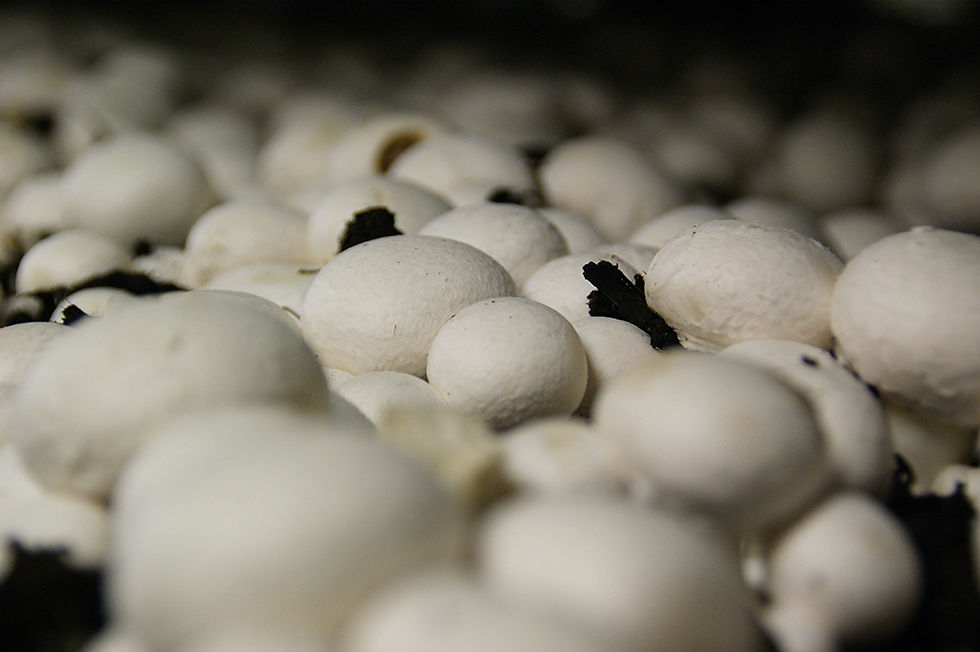
White button mushrooms have secured their place in the Kenyan market, valued for their classic taste and suitability for various dishes
Growing Structure / Room Requirements
Cultivating mushrooms requires a controlled environment that mimics the natural conditions conducive to their growth. A suitable structure or growing room is essential for successful mushroom cultivation.
The key factors to consider include
Cleanliness: A typical mushroom growing room is often designed to be sterile, well-insulated, and properly ventilated. This controlled environment helps prevent contamination and provides the ideal conditions for mushroom growth. In the growing room, shelves or racks are set up to accommodate trays or bags containing the substrate (such as sawdust or straw) inoculated with mushroom spawn.
Temperature and humidity: Temperature and humidity levels vary based on the mushroom variety being cultivated, but generally, temperatures around 22-28°C (72-82°F) and humidity levels of 90-95% are maintained during different stages of growth.
Adequate ventilation: Proper air exchange ensures that carbon dioxide is removed and oxygen is supplied to the growing mushrooms.
By carefully managing these environmental factors within the growing room, aspiring mushroom farmers can create an optimal habitat for their crops to thrive.

Challenges of Mushroom Farming in Kenya
While mushroom farming presents promising prospects, it's important to acknowledge and prepare for the challenges that mushroom farmers might encounter.
Some of the key challenges include:
Limited Awareness and Knowledge: Mushroom farming is still relatively new in Kenya, and many individuals lack awareness about its techniques and benefits.
Climate and Environmental Factors: Mushrooms are sensitive to environmental conditions, and maintaining the required temperature, humidity, and ventilation can be a challenge.
Access to Quality Spawn: Acquiring high-quality mushroom spawn for cultivation can be a hurdle, as it directly impacts the success of the farming venture.
Market Accessibility: Despite the growing interest in mushrooms, accessing markets for distribution can be difficult for new farmers.
Technical Expertise: Adequate training and technical know-how are essential for successful mushroom cultivation, but finding reliable sources of training can be challenging.
Training Opportunities for Mushroom Farming in Kenya:
For individuals interested in venturing into mushroom farming, acquiring the necessary knowledge and skills is crucial. Thankfully, there are resources available to help bridge the knowledge gap.
Contact us for hands-on training and quality mushroom spawns, as well as help with getting market for your produce.
Another valuable resource is the article on "Farming as a business/agri-business" , which provides insights into the agribusiness approach to farming and offers valuable guidance on setting up a successful agribusiness farm.
Investment and Starting Costs
The investment required to start a mushroom farming venture in Kenya can vary based on factors such as scale, location, and infrastructure. However, mushroom farming is generally considered to have lower start-up costs compared to traditional crop farming. Some of the initial expenses to consider include:
Infrastructure Setup: This includes creating the appropriate growing environment, such as constructing mushroom houses or tunnels.
Spawn and Substrate: Acquiring quality mushroom spawn and suitable substrate materials for cultivation.
Equipment and Supplies: Basic equipment such as shelves, trays, and ventilation systems may be needed.
Training and Education: Investing in training programs to acquire the necessary knowledge and skills for successful mushroom cultivation.
While the initial investment may vary, mushroom farming's potential for consistent income generation can make it a worthwhile venture in the long run.
Market Potential for Mushrooms in Kenya:
The market for mushrooms in Kenya has been steadily expanding, driven by increasing consumer awareness of their nutritional and health benefits.
Mushrooms are not only valued for their culinary appeal but also for their rich protein content, vitamins, and medicinal properties. As more people seek healthier and sustainable food options, the demand for mushrooms continues to rise. Urban areas, in particular, provide a significant market for fresh and processed mushrooms, creating opportunities for farmers to tap into this demand.
Mushroom Prices in Kenya:
The prices of mushrooms vary based on factors such as location, quality, market demand, packaging, the level of processing and seasonal fluctuations.
Oyster mushrooms in Kenya are sold per kilogram, with prices ranging from Ksh 200 to Ksh 400 or more, depending on the factors above.
Button mushrooms are also often sold per kilogram, with prices ranging from Ksh 300 to Ksh 500 or more depending on the factors above.
Mushroom harvesting frequency can be multiple times throughout their growth cycle. Typically, they are ready for the first harvest within three to four weeks after the initial substrate inoculation. Subsequent harvests can follow every few days, ensuring a continuous supply of these sought-after fungi.
Value addition
Mushroom farming doesn't stop at cultivating fresh produce. Value addition brings a new dimension to the industry, opening doors to innovative products with increased shelf life and versatility. Here are some popular value-added mushroom products:
Pickled Mushrooms: Pickled mushrooms add tang and flavour to dishes. Here's a simple pickling recipe:
Clean and trim the mushrooms, removing any tough parts.
Prepare a pickling solution using vinegar, water, sugar, and spices of your choice.
Bring the solution to a boil and let it cool.
Place the mushrooms in sterilized jars and pour the cooled pickling solution over them.
Seal the jars and store them in a cool, dark place.
Dried Mushrooms: Dried mushrooms are a versatile ingredient used in various culinary applications. Here are the steps on how to dry them:
Harvest mature mushrooms and clean them thoroughly.
Slice or dice the mushrooms and lay them out to dry. You can sun-dry them, use a food dehydrator, or use an oven on low heat.
Once completely dry, store them in an airtight container or vacuum-sealed packet away from moisture and sunlight.
Conclusion:
Embarking on a journey into mushroom farming in Kenya can be both rewarding and challenging.
While the industry is still evolving, the increasing demand for mushrooms presents promising opportunities for individuals looking to diversify their income and contribute to local food production. By addressing challenges, acquiring relevant training, and focusing on profitable varieties like oyster and button mushrooms, aspiring mushroom farmers can position themselves for success in this emerging agribusiness sector.
Remember, the journey to becoming a successful mushroom farmer starts with gaining knowledge and making informed decisions. With the right approach and dedication, mushroom farming has the potential to yield not only delicious produce but also sustainable economic growth.
Have a delicious and profitable week :)


Comments